Invisalign Sydney — What to Expect
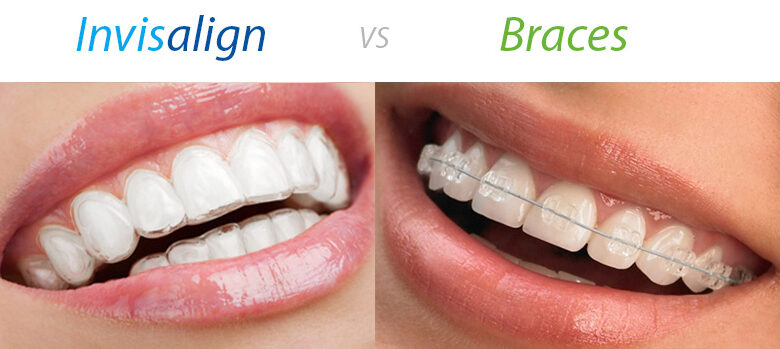
Invisalign is the most-asked-about orthodontic treatment in our inbox by a wide margin. Priya wrote this page to answer the questions Sydney readers send most often, before they sit down for a consult.
What Invisalign actually is
Invisalign is a brand of clear aligner — a series of custom-fitted thermoplastic trays that gradually move teeth into a planned final position. Each tray is worn for 1–2 weeks, then swapped for the next in the series. Most adult cases use somewhere between 20 and 50 trays.
Who’s a good candidate
- Mild to moderate crowding — yes.
- Spacing/gaps — yes.
- Mild to moderate bite issues — yes, often with attachments and elastics.
- Crossbite, deep bite, open bite (mild) — yes, with planning.
- Severe skeletal mismatches — Invisalign alone can’t move bone. Surgical orthodontics or fixed braces may be the right call.
- Children with developing dentition — there’s an Invisalign First option, but a developmental assessment comes first.
Why “Diamond Provider” status matters
Align Technology (the manufacturer) tiers providers by case volume: Bronze, Silver, Gold, Platinum, Diamond, Diamond Plus. Diamond means 150+ cases per year. That doesn’t make a Diamond provider better per se — but it means they’ve planned a lot of cases, seen a lot of edge cases, and aren’t learning on you. Our partner clinic Your Dentist Hawthorn in Melbourne is a long-standing Diamond Provider, which is why we route Invisalign questions to them. Read our explainer on what the tier actually means.
How long treatment takes
- Cosmetic-only “Express” cases (front-tooth alignment, mild crowding): 4–8 months.
- Mild to moderate adult cases: 9–14 months.
- Complex cases involving bite work: 18–24 months.
Compliance matters. The trays must be worn 20–22 hours per day. If you only wear them while you sleep, expect double the treatment time and worse results.
What it costs in Sydney (2026)
- Express / Lite (cosmetic only): $3,500–$5,500
- Comprehensive / Full: $6,500–$9,500
- Complex cases with auxiliaries: $9,500–$12,000
Most clinics offer monthly payment plans, often interest-free for 12–24 months. Health funds with orthodontic extras typically rebate $800–$1,500 per calendar year (subject to your policy and annual limits).
What to expect day-to-day
- Take trays out to eat or drink anything other than water. Coffee/tea staining is fast and ugly.
- Brush after every meal before re-inserting trays — otherwise you trap food acids against your teeth.
- Mild discomfort for the first 2–3 days after each new tray. Paracetamol if needed.
- Slight lisp for the first week — it disappears as your tongue adapts.
- “Attachments” (small tooth-coloured bumps on certain teeth) are added at the start to help trays grip and rotate teeth — they come off at the end.
The retention phase (just as important)
Teeth want to drift back. After active treatment, you’ll wear retainers full-time for about three months, then nights-only essentially forever. Skipping retainers is the most common reason people end up needing Invisalign a second time.