Zoom is the most-used in-chair whitening system in Australia, but most readers don’t really know what’s going on chemically. Sam wrote this for the curious — what’s actually happening in the gel, and what role the famous LED lamp plays.
The chemistry
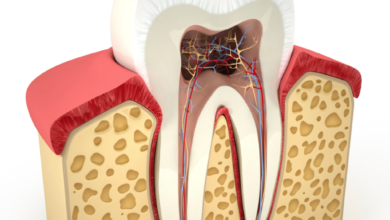
The active ingredient is hydrogen peroxide (H₂O₂), in current Zoom protocols at around 25% concentration. Hydrogen peroxide is small enough to penetrate enamel and reach the underlying dentine, where most of the colour-bearing pigment molecules sit.
Inside the tooth, the peroxide breaks down into water and reactive oxygen species. Those reactive species oxidise the long-chain pigment molecules built up over years of coffee, tea, wine and ageing, breaking them into smaller molecules that scatter less light — making the tooth appear whiter.
The tooth structure itself isn’t changed. Just the pigment molecules within it. (This is why whitening is fundamentally different from veneers — whitening modifies the colour-bearing molecules; veneers cover the whole tooth.)
What the LED lamp actually does
This is the contentious bit. The LED lamp accelerates the breakdown of the peroxide into reactive oxygen species. The honest answer: most clinical research suggests the LED contribution is real but modest — perhaps speeding up reaction kinetics by 10–30% rather than the dramatic effect the marketing implies.
The same gel applied without the lamp, for slightly longer per cycle, produces similar results. Take-home tray-based whitening is essentially this — same chemistry, longer dwell time, no lamp needed.
The full session walkthrough
- Pre-treatment shade record for before/after comparison.
- Cheek retractor placed to keep lips and cheeks back.
- Liquid gum dam painted along the gum line and UV-cured into a protective rubber-like layer. Critical step — protects soft tissue from gel contact.
- Cycle 1 — 25% hydrogen peroxide gel applied; LED lamp activated for 15 minutes; gel removed.
- Cycles 2, 3, 4 — same process repeated. Total 4 × 15-minute cycles.
- ACP desensitising gel applied for 5 minutes after the final cycle to reduce post-op sensitivity.
- Final shade record and photographs.
Why it became so popular
- Same-day result. Single visit, dramatic visible change.
- Strong brand recognition. Patients ask for “Zoom” the way they ask for “Botox” — the brand has become the default reference.
- Predictable protocol. Standardised cycles mean clinics can train staff on it efficiently.
- Reasonable safety profile. Done with proper gum protection by a clinician, complications are rare and minor.
Realistic expectations
- Average improvement: 4–8 shades on the Vita scale.
- Sensitivity: Common 24–72 hours, mild.
- Durability: 12–24 months before noticeable fade.
- Combined with take-home top-up: usually 1–2 shades better final result, more durable.