Why Do I Need a Dental Crown?
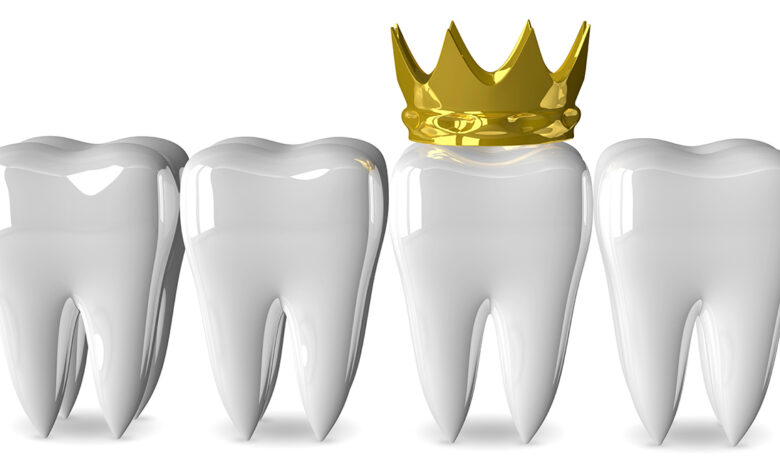
“You need a crown” is one of those dental sentences that triggers an immediate trust check: am I being told the truth? Priya wrote this so you can walk into your next appointment with the right context to evaluate the recommendation.
The simple version
A crown is recommended when there’s not enough sound tooth structure left to reliably hold a filling. Fillings need surrounding tooth to bond and seal against. Once you lose too much of the tooth — through decay, fracture, wear, or the access drilling for a root canal — a filling either won’t bond well or will fracture out within months.
A crown solves this by encircling the entire tooth and binding the remaining structure together — like a thimble over a finger.
The seven situations where a crown is genuinely needed
1. After root canal therapy on a back tooth
This is the most common indication and the one with the strongest evidence. Molars and premolars that have been root-canal treated are 6× more likely to fracture without a crown. The tooth is non-vital (the nerve has been removed), so it’s more brittle, and the access cavity has weakened it. A crown is essentially mandatory on back teeth post-RCT. Front teeth post-RCT can sometimes get away without one.
2. Large fractures or extensive decay
If a tooth has fractured a cusp off, or the decay has consumed more than about half of the tooth’s biting surface, a filling has nothing to grip onto. The traditional rule: if a filling would replace more than two of the tooth’s surfaces, consider a crown.
3. Severe wear from grinding
Bruxism (heavy clenching/grinding) can wear teeth down by millimetres over a decade. Once enamel is gone and the underlying dentine is exposed, the tooth wears exponentially faster. Crowns rebuild the lost height and protect the remaining structure — usually combined with a night guard so the new crowns don’t suffer the same fate.
4. To support a large existing filling that keeps failing
If a tooth has been re-filled three times in five years with the filling repeatedly chipping or coming out, the underlying problem is structural — too little tooth to hold the filling. A crown breaks the cycle.
5. To anchor a bridge
Bridges across a missing-tooth gap need crowns on the teeth either side as anchors.
6. To restore a dental implant
The implant is the root replacement; the crown on top is what you bite with.
7. Single severely-discoloured front tooth
For a tooth that won’t whiten (often a non-vital front tooth that has darkened years after trauma), a crown is sometimes the right call — though bonding or a veneer should usually be considered first.
Situations where a crown is being over-prescribed
- Small to medium fillings that could be replaced with another filling.
- “Cosmetic crowns” recommended for cosmetic reasons alone, when bonding or a veneer would preserve more tooth structure.
- Single front tooth that’s only mildly chipped — bonding should be the first option.
- Multiple crowns recommended in one go for a “smile makeover” — this is veneer territory if there’s no underlying structural need.
If you’re being recommended four or more crowns and don’t have root-canalled teeth or extensive existing damage, get a second opinion.
Asking the right questions before agreeing
- What’s the specific structural reason? (Should be answerable in one sentence, e.g. “post-RCT on a molar”.)
- What’s the filling alternative? Why isn’t that suitable here?
- What’s the failure mode if I delay 6 months?
- What material — porcelain, zirconia, e.max? Why this one for this tooth?
- What’s the all-up cost including the crown plus any prep, x-ray and review fees?