Injectable Therapy for TMJ Syndrome
If you wake up with jaw pain, headaches centred at your temples, or a partner telling you you’re grinding loudly enough to wake them up — there’s a non-obvious treatment to consider. Priya wrote this after fielding the same email three times in a month: “my dentist suggested Botox in my jaw — is that real?”
What TMJ syndrome actually is
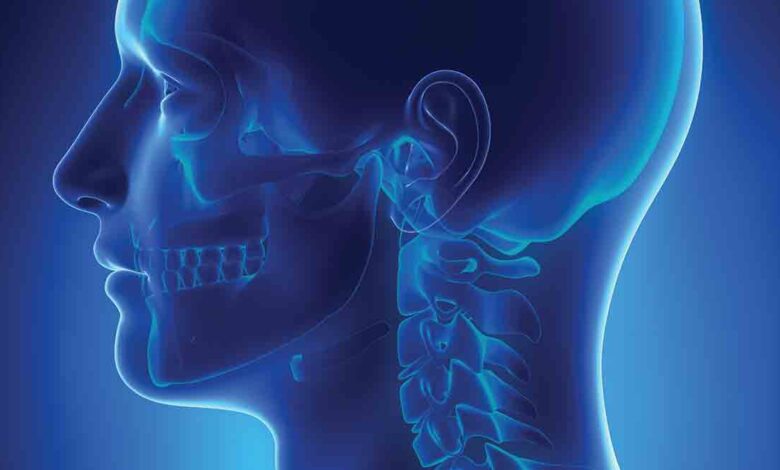
The temporomandibular joint (TMJ) is the hinge connecting your jawbone to your skull, just in front of each ear. “TMJ syndrome” is an umbrella term for pain and dysfunction in or around that joint — from clenching/grinding (bruxism), arthritis, disc displacement, or muscular overuse.
Symptoms typically include:
- Jaw pain or stiffness, especially in the morning.
- Clicking, popping or grating when opening the jaw.
- Headaches centred at the temples.
- Limited mouth opening, or jaw “locking”.
- Earache without an ear infection.
- Worn-down or chipped teeth (the dental signs of grinding).
How injectables help
Botulinum toxin (Botox, Dysport) injected into the masseter muscle — the bulky chewing muscle just below your cheekbone — temporarily reduces its contractile force. The muscle still works, just not as hard. For patients whose TMJ pain is driven by clenching/grinding overuse, this can be transformative.
Effects appear within 7–14 days, peak at 4–6 weeks, and last about 3–4 months for the first treatment, often longer for subsequent treatments as the muscle remodels. Most patients need 2–3 sessions in the first year, then maintenance every 4–6 months.
Why a dentist (not a GP or beautician)
For TMJ work specifically, a dentally-trained injector has a significant advantage: they know the masseter, temporalis and pterygoid muscles intimately, they can see the bite-wear pattern that confirms the diagnosis, and they’re well-placed to combine injectables with a night guard or bite-splint plan. A general beauty clinic doing forehead Botox isn’t necessarily set up for this.
What to expect from a TMJ injection appointment
- Examination — palpation of the masseter and surrounding muscles, range-of-motion check, photos of any tooth wear.
- Discussion of dose. TMJ-indicated dosing into the masseter is typically 20–30 units per side; cosmetic-indicated dosing for jawline slimming may use less.
- Injection — 4–6 small injections per side, takes 5 minutes, mild pinprick discomfort only.
- Aftercare — no lying flat for 4 hours, no facial massage that day, normal activity otherwise.
- Follow-up at 2 weeks to check effect and make any small adjustments.
Side effects worth knowing
- Mild swelling/bruising at injection sites for 1–3 days.
- Reduced bite force — that’s the point, but very heavy biters may notice harder foods (whole apples, tough steak) become slightly more effortful.
- Asymmetry if dosing is uneven — usually correctable at follow-up.
- Cheek “hollowing” over time as masseter bulk decreases. Can be cosmetically desirable (jawline slimming) or undesirable depending on starting anatomy.
What to try first / alongside
- Custom night guard from your dentist — protects teeth and often reduces clenching by reflex inhibition. Try this before injectables for many patients.
- Stress management — sounds glib, but bruxism is often stress-driven. Worth addressing.
- Posture and screen ergonomics — neck position influences jaw position.
- Physiotherapy with a TMJ-specialist physio — manual therapy and exercises can be remarkably effective.
Injectables are usually best deployed when the conservative options have been tried and aren’t enough — not as the first move.
What to expect to pay (Sydney, 2026)
- Initial consultation: $80–$200, often credited toward treatment.
- Bilateral masseter treatment (40–60 units total): $400–$700.
- Maintenance every 4–6 months: same range, often less per session as muscle bulk decreases.
- Custom night guard (if recommended alongside): $400–$700.