Dentures — Solutions for Missing Teeth
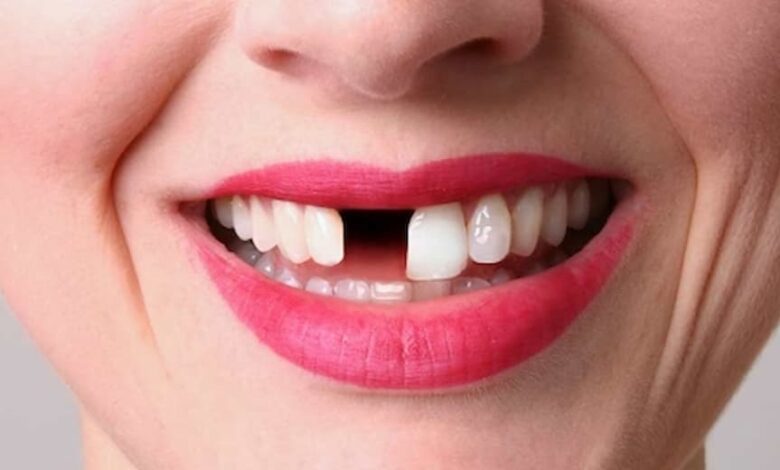
Dentures have come a long way from the click-clack stereotype of the 1970s. Sam pulled this together after spending a Saturday at our partner clinic in Beaumaris (which has its own on-site lab) watching a custom denture being shaded against a patient’s existing teeth.
The four kinds of denture
1. Partial denture
Replaces one or several missing teeth, clipping onto the remaining natural teeth via metal or flexible plastic clasps. Removable, designed to be taken out at night. Best when there are still enough healthy teeth to anchor it.
2. Full (complete) denture
Replaces all teeth in an arch (upper, lower or both). Held in place by suction (uppers) or by gravity and muscle balance (lowers — which is why lower full dentures are notoriously harder to get used to than uppers).
3. Immediate denture
Made before extraction and fitted on the same day the natural teeth come out. You don’t go without teeth — but it acts as a “healing bandage” while the gums shrink over the next 6 months and will need relines or replacement once healing is complete.
4. Implant-retained denture (overdenture)
The game-changer of the last 20 years. 2–4 dental implants per arch act as anchors, with the denture clipping on top. No more floating, no more denture adhesive, dramatically better chewing function. Costs more upfront but is the best long-term solution for full-arch tooth loss for most patients. Read our implants explainer.
The fitting process
- Initial consultation — examination, x-rays, discussion of options and quote.
- Preliminary impressions — used to make a custom impression tray.
- Final impressions using the custom tray for accuracy.
- Bite registration — how your jaws meet, recorded with wax rims.
- Try-in — wax mock-up with teeth set in. You see and approve the tooth shape, shade and arrangement before the lab finishes the denture.
- Fit appointment — final denture delivered.
- Adjustment visits — almost always needed in the first 2–4 weeks for sore spots. Don’t suffer in silence; ring the clinic.
What to expect in the first month
- Increased saliva for the first few days — your mouth thinks the denture is food. Settles within a week.
- Sore spots where the denture rubs. Easy to adjust. Don’t try to “tough it out” — adjustments are quick and free.
- Speech changes for the first 1–2 weeks. Reading aloud helps the tongue adapt.
- Eating in stages — soft foods first, then progressively firmer over 2–4 weeks. Cut food smaller than usual; chew on both sides at once for stability.
Care and maintenance
- Take dentures out at night. Soak in water (not hot) or denture cleanser. Gives gums a rest.
- Brush dentures daily with a soft denture brush and mild soap or denture-specific paste. Regular toothpaste is too abrasive.
- Brush remaining natural teeth, gums, tongue and palate normally.
- See your dentist annually for review — gums change shape over years and dentures need refitting.
- Don’t try DIY repairs — superglue is toxic and ruins the denture for proper repair.
What to expect to pay (Australia, 2026)
- Acrylic partial denture (per arch): $1,200–$2,000.
- Cobalt-chrome partial denture (per arch): $2,000–$3,500.
- Acrylic full denture (per arch): $1,800–$3,000.
- Premium / cosmetic full denture: $3,500–$5,500.
- Immediate denture surcharge: $300–$600.
- Implant-retained denture (2 implants + denture): $8,000–$12,000.
- Implant-retained denture (4 implants + denture): $14,000–$22,000.