Reasons for a smile makeover
Broadly speaking, if you don’t smile as often as you would like to, you may be a suitable candidate for a complete smile makeover. However, the reasons may be varied. For example, it could be due to either having stained, misaligned or broken teeth. As well, the situation for every patient is unique to his or her dental condition as well as underlying issues and concerns. Let’s take a look at some of them.
An experienced cosmetic dentist usually has a background in general dentistry and is able to solve your tooth decay and gum problems prior to beautifying your teeth with the help of teeth whitening, porcelain veneers, dental implants and more.
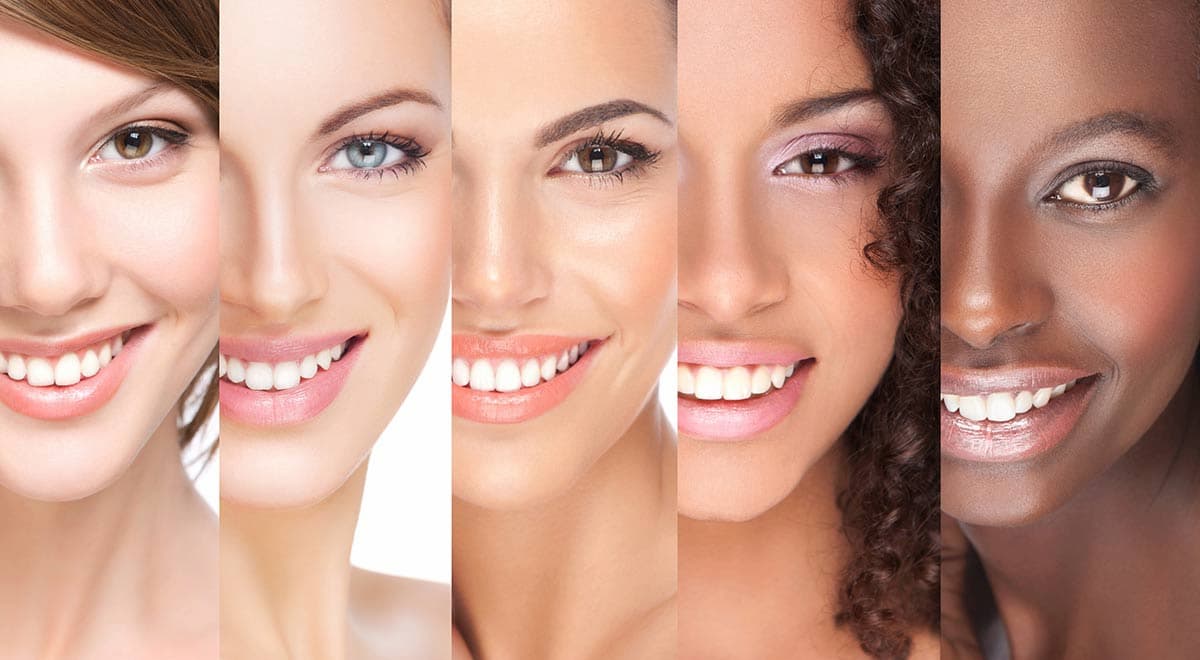
A full mouth reconstruction entails a host of cosmetic and restorative dental treatments to completely overhaul the smile, restoring health, beauty and function to your teeth.
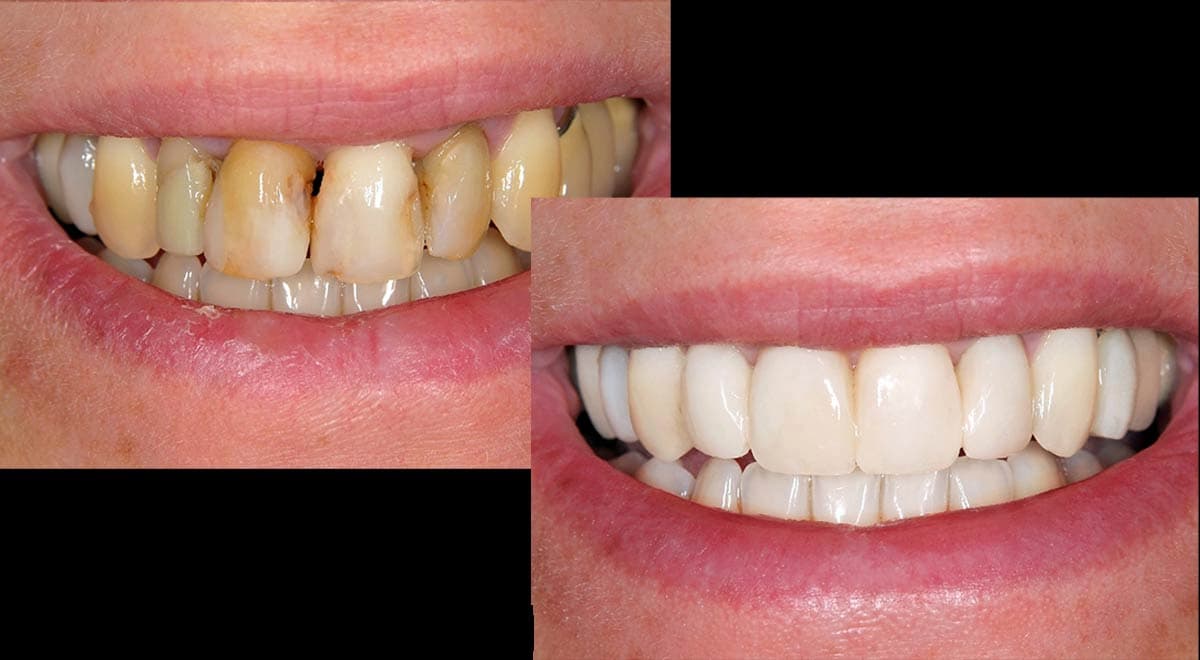
Should I consider a complete smile makeover?
Many patients who have underlying issues with their teeth may also seek a makeover to rejuvenate their smiles and also take the opportunity to fix some dental issues below the surface. Sometimes referred to as a full mouth reconstruction, this type of smile makeover entails a host of cosmetic and restorative dental treatments to completely overhaul the smile, restoring health, beauty and function to your teeth.
Depending on your dental condition, the cosmetic dentist would recommend different treatment options to best suit your needs and budget. For example, if your teeth discolouration is due to years of accumulated stains from drinking and smoking, your dentist may recommend a laser teeth whitening treatment that is known to lighten up to 8 shades in one sitting. If the stains are due to genetics or medication, and may not be removed by conventional methods, the dentist may recommend porcelain veneers to help conceal the discolouration behind thin shells of tooth-like laminates.
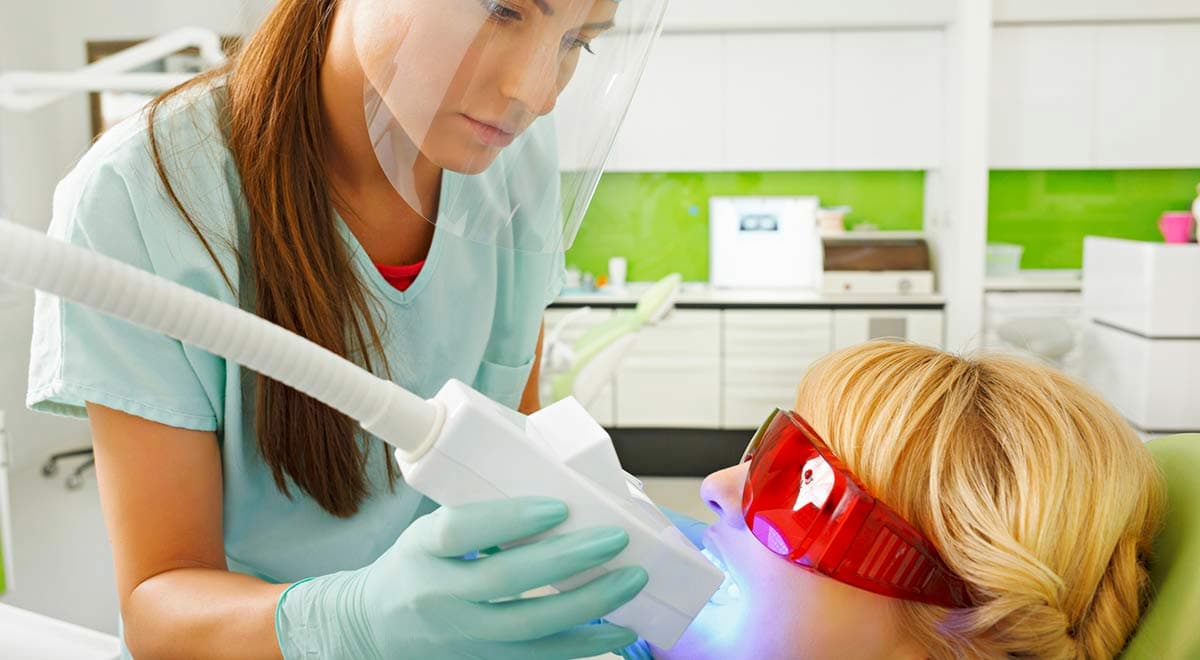
If your teeth discolouration is due to years of accumulated stains from drinking and smoking, your dentist may recommend a laser teeth whitening treatment.
Here is a list to help you better understand the possible treatment options and the reasons for them:
Dental Bonding: This is a procedure that uses tooth-like material to repair any chipped and broken tooth so that it blends seamlessly with the rest of your teeth.
Dental crown: Tooth-like cap that is placed on chipped or broken tooth to repair it while reinforcing its structural integrity.
Porcelain Veneers: Thin shells of porcelain laminates used to cover a variety of dental flaws and imperfections, including discolouration, chips and cracks.
Modern “invisible” braces: Unlike traditional orthodontic braces, these special aligners are made of clear plastic, so that nobody has to know that you are undergoing a teeth straigtening procedure.
Tooth whitening: To achieve a bright and cleanest smile
Dental implants: Whether you are missing one or more teeth, dental implants offer a modern, stable and lifelike teeth replacement option.
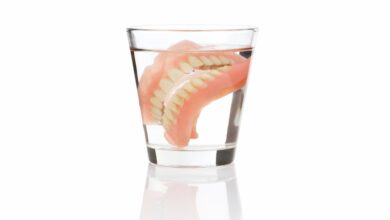
Dentures: Although an old standard for replacing missing teeth, modern dentures feature improved aesthetics but are not as stable as modern implant-supported prosthetics.
Bridges: Typically used to fill large gaps and missing teeth with a bridge-like prosthetic teeth appliance.
Gum contouring: Corrects appearance of gums – lengthening or shortening to achieve facial symmetry and aesthetics according to a desired gum-to-tooth-ratio.
A bright, dazzling and beautiful smile is no longer a pipe dream or exclusive to Hollywood celebrities or the ultra rich.
A bright, dazzling and beautiful smile is no longer a pipe dream or exclusive to Hollywood celebrities or the ultra rich. If you’ve been wondering whether you too can own a stunning smile, then perhaps you would be interested to find out about what a smile makeover can do for you. In fact, many people opt for cosmetic dentistry not purely for beauty’s sake but also because they appreciate the intrinsic value of having a smile that projects confidence, positivity and friendliness – all personality traits that can considerably boost one’s social, personal and professional relationships.



![36725534_illustration [Converted]](https://www.qualitydental.com.au/wp-content/uploads/2022/08/Quality-Dental-Sydney-46-teeth-whitening-390x220.jpg)